
Enter
Keywords
Enter
Keywords

Enter
Keywords
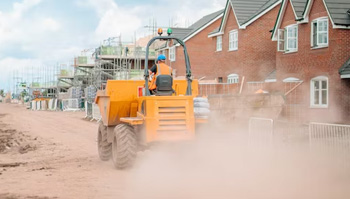
A groundworker plays a big part on most building sites. Before walls go up or roofs are put on, the ground has to be ready. That is the groundworker's job. On many sites, they are some of the first people to start work. They are also often there near the end to finish things off.
The work is not just digging. A groundworker may set out foundations, lay drainage, or put in kerbs and paving. There is often concrete work too. A lot of the job is about getting the site ready for other trades. This helps everyone else do their work in the right way and at the right time.
No two sites are the same. One day you might be working on a house. Another day it could be a road or a bigger job. Because of this, the work can change from week to week. Some days are heavy work. Other days need more care and close checks on levels and lines.
The groundworker role is important for a simple reason. If the ground work is wrong, problems show up later. Water may not drain right. Paths or roads may sink. Fixing these problems costs time and money. Doing the job right at the start helps the whole build go more smoothly.
This page explains what a groundworker does and what the job is like. It looks at the kind of work you can expect and the skills you will need. If you are thinking about a job in groundworks, this should help you see if it is right for you.
A groundworker plays a big part on most building sites. Before walls go up or roofs are put on, the ground has to be ready. That is the groundworker's job. On many sites, they are some of the first people to start work. They are also often there near the end to finish things off.
The work is not just digging. A groundworker may set out foundations, lay drainage, or put in kerbs and paving. There is often concrete work too. A lot of the job is about getting the site ready for other trades. This helps everyone else do their work in the right way and at the right time.
No two sites are the same. One day you might be working on a house. Another day it could be a road or a bigger job. Because of this, the work can change from week to week. Some days are heavy work. Other days need more care and close checks on levels and lines.
The groundworker role is important for a simple reason. If the ground work is wrong, problems show up later. Water may not drain right. Paths or roads may sink. Fixing these problems costs time and money. Doing the job right at the start helps the whole build go more smoothly.
This page explains what a groundworker does and what the job is like. It looks at the kind of work you can expect and the skills you will need. If you are thinking about a job in groundworks, this should help you see if it is right for you.
Groundworker RolesA groundworker gets the ground ready for building work. In simple terms, they make sure the site is ready before the main build starts. They also help finish the outside areas when the main work is done.
Groundworkers are often the first people on site. They clear the area and get it ready for work. They set out levels and deal with what is in the ground. This often means digging foundations, putting in drainage, and making firm bases for roads, paths, and buildings. This work matters because everything else depends on it.
As the job goes on, groundworkers keep helping other trades. They may pour concrete or put in kerbs. They also help keep work areas safe and easy to use. When the main build is close to the end, groundworkers are still there to finish things off. This can mean laying drives, paving paths, and tidying up the space around the building.
Because of this, groundworkers are there at the start and at the end of a job. Their work runs from the first dig in the ground to the last surface people walk or drive on.
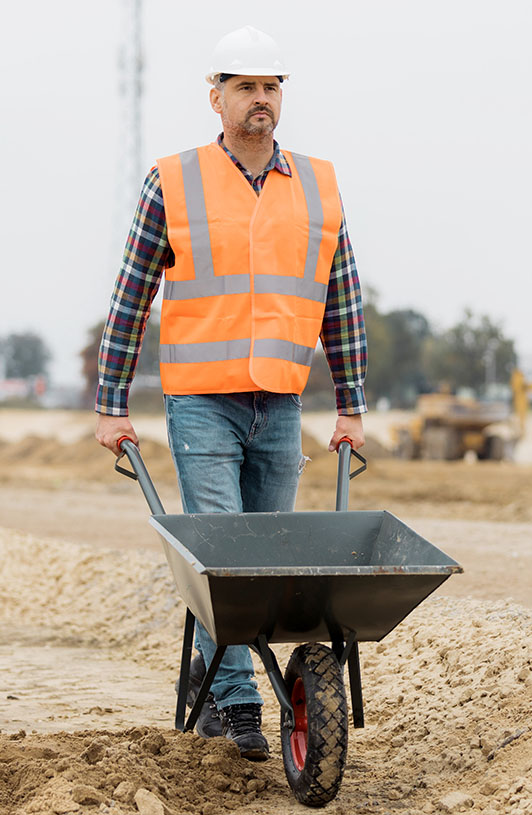
A groundworker works with the ground so a build can start and end the right way. The job is to get the site ready at the start and leave it neat at the end. The exact tasks change from site to site, but the aim is always the same. Make the ground fit for the job.
At the start of a project, a groundworker helps get the site ready. This can mean clearing the area and digging for foundations. It also means putting in drainage and making sure the ground is firm and level. This part of the job is very important. If mistakes happen here, they can cause trouble later on.
As the build goes on, groundworkers keep helping where they are needed. They may work with concrete, lay kerbs, or form paths. They also help make safe ways in and out of the site. This helps other trades do their work and keeps the job moving.
Near the end of a project, the work changes again. The groundworker starts to finish the outside areas. This can mean laying drives, paving paths, and shaping edges. By the end, the site is ready to use. This is why groundworkers are often there at the start and still there at the end.
A groundworker's day can change from site to site. It can also change as the job moves on. Still, most days follow the same basic plan. The work is hands on. The aim is to get the ground ready for what comes next.
On many sites, a groundworker works on drainage, concrete, kerbs, and paving. This can mean digging trenches and laying pipes. It can also mean, getting build areas ready for concreting, setting kerbs by roads or paths, or laying flags for paths and yards. These jobs need care. Small mistakes can change how the site works and how it looks at the end.
Another part of the job is helping to set up and clear the site. This can mean getting work areas ready and moving materials into place. It also means leaving the site safe and tidy at the end of the day or at the end of a stage of work. A well set up site makes the job easier for everyone.
Many groundworkers also use plant machines during the day. This can include diggers, dumpers, or compactors. These are used for digging and moving earth. Even with machines, the job still comes down to knowing the ground, checking levels, and making sure things are ready for the next step.
In short, a groundworker's day is a mix of ground work, site setup, and using tools and machines to shape the site for the job.

Job Role:
Groundworking is high risk work. It often involves open excavations, moving plant, underground services, and heavy materials. Because of this, safety and site rules are not optional extras. They are a core part of the groundworker's job.
Excavation work, in particular, needs proper planning and regular checks. Trenches and excavations can collapse, edges can give way, and conditions can change with the weather or with nearby work. A competent person should inspect supports, edges, and ground conditions at the start of shifts and at other agreed times. If an excavation is not safe, work should stop until the problem is fixed. No amount of progress is worth the risk of someone getting hurt.
Under CDM 2015 guidance, workers have clear responsibilities on site. You must follow site rules, cooperate with supervisors and managers, and report hazards or unsafe conditions. You should only carry out work that you are trained and competent to do, or work that is being properly supervised. This applies whether you are using tools, working near plant, or dealing with services in the ground.
In practice, this is what safety and compliance usually look like on site:
A good groundworker does not just get the job done. They also help make sure the job is done safely, in a way that protects themselves, their workmates, and everyone else on site.
Requirements:
Groundworking is hands on and physically demanding work, but it also needs care and accuracy. A lot of the job comes down to getting levels right, setting out correctly, and making sure things like drainage falls work as they should. Small mistakes at this stage can cause bigger problems later, so attention to detail matters just as much as strength and stamina.
A good groundworker needs a solid understanding of basic construction methods and site safety. You do not need to know everything at once, but you do need to understand how your work fits into the bigger picture of the build.
Physical fitness and stamina are important because the work often involves lifting, digging, and long days on your feet. At the same time, groundworking is rarely a solo job, so teamwork and clear communication are essential. You need to be able to work alongside other trades, follow instructions, and speak up if something does not look right.
Accuracy is also a key skill. Setting out, preparing bases, and installing drainage all need to be done to the correct lines, levels, and specifications. This is where patience and attention to detail really pay off.
Groundworkers spend a lot of time working around plant and machinery such as excavators, dumpers, and rollers. On some jobs, your role may also include operating this equipment if you are trained and certified to do so.
Alongside larger machines, you will use a wide range of hand tools and general construction equipment. This can include tools for supporting excavations, handling materials, cutting, compacting, and carrying out day to day site tasks. You will also use setting out and levelling tools, which are essential for measurement and accuracy when preparing bases, laying drainage, or installing kerbs and paving.
Most groundworking is outdoors and site based, often in all types of weather. Typical working hours are around 40 to 44 hours per week, although this can increase depending on the project, deadlines, or site requirements. Some jobs may involve early starts, late finishes, or weekend work.
On larger civils and infrastructure projects, work is sometimes organised on rota patterns such as 14 days on and 7 days off. For remote sites, accommodation may be provided. The exact setup depends on the type of project, but the common factor is that groundworking is practical, site based work that forms the foundation of everything that follows.
Avg. Salary:
£29,120.00
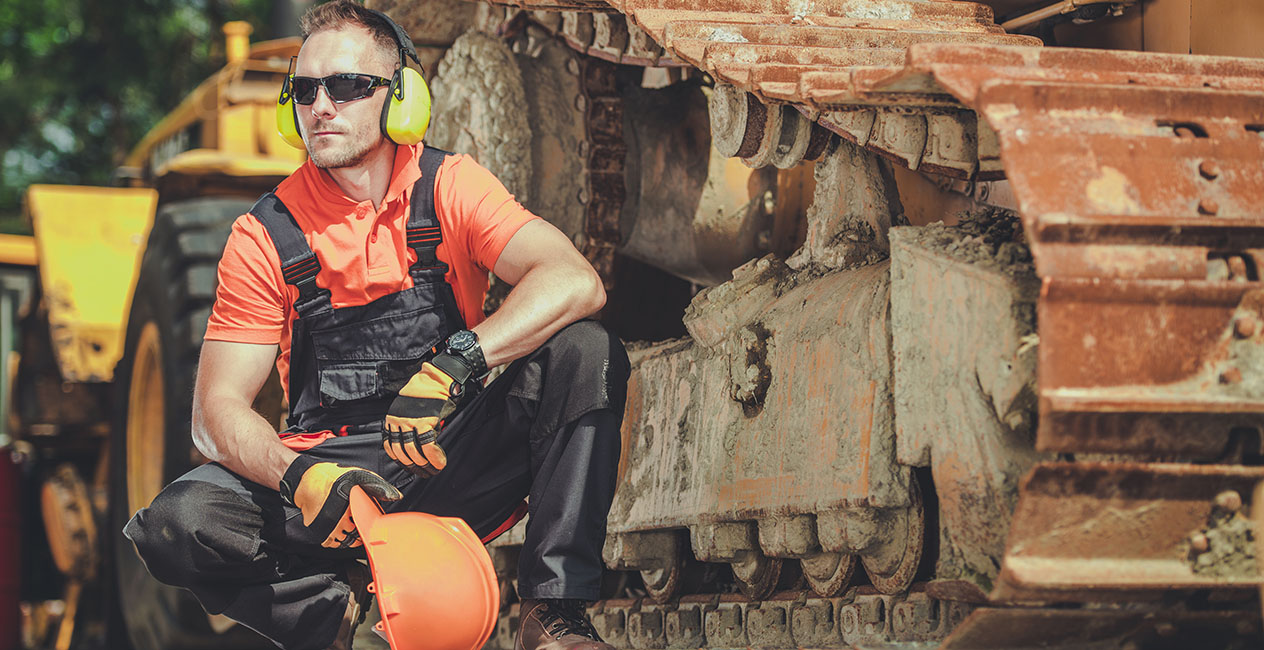
Many experienced groundworkers operate plant machinery as part of their day to day work. This can include machines like dumpers, rollers, and excavators. To use this equipment on most construction sites, you need the right training and the right certification.
In the UK, this usually means holding either CPCS or NPORS cards. Some sites ask for a specific scheme, but many will accept either CPCS or NPORS as long as the card covers the machine you are using. The main point is that you must be trained, tested, and signed off as competent before you are allowed to operate plant on site.
These card schemes exist to make sure machines are used safely and correctly. They also give employers confidence that you know how to handle the equipment and understand the risks that come with it.
The Construction Plant Competence Scheme, known as CPCS, provides skills and certification cards for plant and related construction roles. The scheme is reviewed and updated over time to reflect changes in equipment, technology, and site safety requirements.
Depending on the type of groundworks job, employers may ask for one or more of the following CPCS tickets:
Not every groundworker needs all of these. The tickets you need depend on the machines used on your site and the role you are expected to carry out.
NPORS is another widely accepted plant card scheme on UK construction sites. Like CPCS, it covers a wide range of machines and is used to show that an operator has been properly trained and assessed.
Groundworks roles may require NPORS tickets such as:
Again, the exact cards you need will depend on the site and the type of work you are doing. Some groundworkers start with one or two key machines and add more tickets as they gain experience and take on more responsibility.
Having the right plant tickets makes you more useful on site and can open up more job opportunities in groundworks. It also shows that you take safety and competence seriously, which matters just as much as getting the job done.
Groundwork is a core part of the construction industry, and it will always be needed as long as new buildings, roads, and infrastructure are being built. The saying about starting from the ground up exists for a reason. Every project needs people who can prepare the site properly before anything else can move forward.
Because of this, groundworker jobs are regularly available through construction recruitment agencies. Many companies rely on agencies to supply skilled and reliable workers, which means there is often a steady flow of roles coming up on different types of projects. This can include housing, commercial builds, and larger civils or infrastructure work.
At RecruitEasy, we advertise most of our available roles through our construction and industry job search. If you do not see a role that fits you right away, you can still register with us so we can look for opportunities that match your experience and the type of work you want to do.
Whether you are an experienced groundworker or looking to take the next step in your career, registering with a recruitment agency can make it easier to find steady work on sites that suit your skills and goals.
Simply register now in seconds and stay informed on our latest jobs.
Register in SecondsAre you an employer looking for Construction Workers? Find vetted workers today.
Submit a vacancyWant us to call you back?
No problem, let us know your details and we will get back to you ASAP.
What would be the best time to call?
Please note these times are not guaranteed.