Enter
Keywords
Enter
Keywords

Enter
Keywords
Updated: 06th May 2026
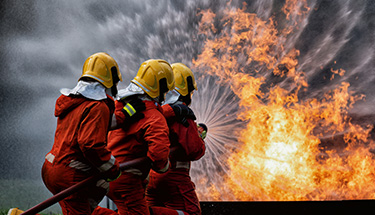
This guide explains fire prevention measures, fire precautions, extinguisher types, and the correct actions to take during a fire emergency on construction sites.
Fire kills hundreds of people in Britain every year and injures thousands more. Construction sites often contain flammable materials, temporary electrical systems, fuel, gas cylinders, hot works, and waste materials that can increase the risk of fire.
Understanding how fires start and knowing how to prevent them can save lives, protect property, and reduce serious injuries. Good fire safety procedures are essential on every site.
Do not hang clothing over or near heating equipment. Paper, cardboard, oily rags, timber, packaging, and other combustible waste should not be allowed to accumulate.
Keep work areas clean and remove rubbish regularly. Oily rags and waste materials should be disposed of safely because they can easily ignite.
Use purpose-made containers when handling or storing flammable liquids. Never use open tins or buckets. Containers should be clearly labelled and stored away from ignition sources.
Do not overload electrical sockets. Follow the rule of one socket, one plug where possible. Overloaded electrical systems can overheat and start fires.
Handle flammable liquids at a safe distance from sparks, flames, heaters, cutting equipment, or electrical equipment that may create ignition.
Before using blowlamps, welding equipment, or cutting equipment, ensure there are no adjacent flammable materials nearby. Sparks and heat can easily ignite surrounding materials.
Bitumen boilers, soldering irons, and gas rings must be placed on non-combustible stands to reduce the risk of fire spreading.
When electrical equipment is not in use, switch it off. Workers should also be aware of heat generated by halogen lamps and other lighting equipment.
Everyone on site should know what to do in case of fire. Emergency procedures should be explained during site inductions and toolbox talks.
Workers should know their nearest fire escape route and the designated assembly point. Escape routes should be clearly marked and easy to access.
Fire exits, stairways, corridors, and access routes must be kept clear and unobstructed at all times.
Access to fire extinguishers, alarms, hose reels, and other fire-fighting equipment should never be blocked by materials or equipment.
Only attempt to fight a fire if you have been trained to select and use a fire extinguisher correctly. Never place yourself at risk.
Modern fire extinguishers are coloured red with a contrasting colour panel that identifies the contents and suitable fire types.
Water extinguishers are used on paper, wood, textiles, and solid material fires. They should never be used on electrical or flammable liquid fires.
Carbon dioxide extinguishers are suitable for liquid and electrical fires. They work by displacing oxygen around the fire.
Foam extinguishers are mainly used on fires involving flammable liquids such as petrol or diesel.
Powder extinguishers can be used on liquid and electrical fires and are common on construction sites.
Wet chemical extinguishers are suitable for wood, paper, textiles, cooking oils, and solid material fires.
If a fire is discovered, raise the alarm immediately so everyone on site is warned.
Contact the fire brigade as quickly as possible and provide accurate information about the location and type of fire.
Close doors and windows where possible to help prevent the spread of smoke and flames.
Leave the building or work area immediately using the nearest safe escape route. Proceed directly to the assembly point.
If trained and it is safe to do so, use the correct extinguisher to tackle small fires. Always make sure you have a clear escape route and never put yourself at risk.
Employers are responsible for ensuring suitable fire prevention and emergency procedures are in place.
Workers also have a duty to follow fire safety procedures and report hazards.
Fire safety is a critical part of construction site safety. Poor housekeeping, unsafe storage of flammable materials, overloaded electrical systems, and uncontrolled hot works can all lead to devastating fires.
Preventing fires requires good planning, safe working practices, regular inspections, and proper training. Workers should understand emergency procedures, know how to evacuate safely, and only use extinguishers if trained and it is safe to do so.
By following fire prevention measures and maintaining strong site safety standards, employers and workers can significantly reduce the risk of fire and protect lives, equipment, and property.
Why Fire Safety Matters
Common Causes of Fire on Site
Fire Prevention Measures
Control Combustible Materials
Manage Waste Properly
Store Flammable Liquids Safely
Avoid Overloading Sockets
Keep Flammable Liquids Away from Ignition Sources
Hot Work Safety
Use Non-Combustible Stands
Switch Off Equipment
Fire Precautions
Know the Emergency Procedure
Know Escape Routes and Assembly Points
Keep Escape Routes Clear
Do Not Obstruct Fire Equipment
Only Fight Fires if Trained
Fire Extinguisher Types
Water Extinguishers - Red Label
CO2 Extinguishers - Black Label
Foam Extinguishers - Cream Label
Powder Extinguishers - Blue Label
Wet Chemical Extinguishers - Yellow Label
Actions to Take in the Event of a Fire
Raise the Alarm
Call the Fire Brigade
Close Doors and Windows
Evacuate the Area
Use Extinguishers Only if Safe
Employer Responsibilities
Worker Responsibilities
Fire Safety Questions
Conclusion
Want us to call you back?
No problem, let us know your details and we will get back to you ASAP.
What would be the best time to call?
Please note these times are not guaranteed.