
Enter
Keywords
Enter
Keywords

Enter
Keywords
Updated: 06th May 2026
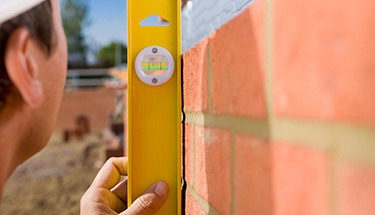
This guide explains why inspections matter, outlines legal responsibilities, and covers the different types of checks required for tools, plant, lifting equipment, access equipment, and excavations.
Construction sites are busy and constantly changing environments. Equipment is frequently moved, exposed to weather, used heavily, and operated in harsh conditions. Without regular inspections, defects can easily go unnoticed.
Even small faults can become serious hazards. A damaged electrical cable may lead to electric shock. A worn lifting sling may fail under load. A scaffold defect could result in a fall from height. Inspections help identify these issues before they lead to incidents.
Effective inspection systems improve workplace safety by:
Checks and inspections are not simply paperwork exercises. They are practical safety measures designed to prevent harm and ensure work can continue safely.
Health and safety regulations place legal duties on employers, supervisors, and workers to ensure equipment and workplaces are inspected properly.
Regulations place duties on employers to carry out formal statutory inspections on a weekly basis and for the findings to be recorded. These inspections help confirm that work equipment and work areas remain safe.
Records provide evidence that inspections have taken place and that defects have been identified and addressed appropriately.
Scaffold tags, plant tags, and tool tags are often used as a visible sign that equipment and work areas have been examined. However, tags alone are not enough to comply with legal requirements.
A written or computerised record must also be completed and retained where required by law. Accurate records help track inspections, monitor recurring issues, and demonstrate compliance during audits or investigations.
Weekly checks must be carried out by a trained and competent person. Competence means having the necessary knowledge, training, experience, and understanding to identify hazards and assess safety correctly.
The competent person must also complete a record of their findings and report defects that require attention.
Everyone on site has a duty to carry out their own workplace and work equipment checks. Safety inspections are not solely the responsibility of managers or supervisors.
Workers should check the condition of their own tools, equipment, and work areas before use and report any defects immediately.
Different types of checks are required depending on the equipment, work activity, and level of risk involved. These inspections may include daily user checks, weekly inspections, formal examinations, and periodic testing.
Pre-use checks are simple visual inspections carried out before equipment is used. These checks are often completed by the person using the equipment.
Pre-use checks may identify:
Equipment should not be used if defects are found.
Daily inspections are important because site conditions and equipment condition can change quickly. Many items of equipment require a daily documented inspection before use.
Weekly inspections are more formal and are usually carried out by supervisors, managers, or other competent persons. Findings should be recorded and retained.
Some equipment requires periodic testing or formal examination at legally defined intervals. These inspections are often completed by specialist inspectors or engineers.
Tools and equipment, including hand tools and portable power tools, should be checked daily by the user.
Workers should look for defects such as:
Damaged tools should be removed from use immediately and reported.
Checklists are often provided with larger plant and equipment. These checklists help ensure both daily and weekly inspections are completed correctly.
Operators should follow the manufacturer’s guidance and site inspection procedures carefully.
Common plant inspection items include:
Electrical equipment used on construction sites is exposed to demanding conditions and therefore requires regular inspection and testing.
It is recommended that on-site plant, electrical equipment, and RCDs should be portable appliance tested every three to six months.
Portable appliance testing, commonly known as PAT testing, involves inspecting and electrically testing portable equipment to confirm it remains safe to use.
PAT testing can identify faults that may not be visible during routine inspections. These faults may include damaged insulation, wiring faults, poor earthing, or electrical defects.
Residual current devices, or RCDs, provide protection against electric shock by disconnecting the power supply when faults are detected. RCDs should also be inspected and tested regularly.
A valid PAT label does not replace the need for daily checks. Workers should still inspect cables, plugs, casings, and switches before using electrical equipment.
Lifting equipment and lifting accessories present significant risks because equipment failure can lead to falling loads, crushing injuries, or fatalities.
Equipment such as cranes, lifting chains, slings, hooks, and lifting beams must be inspected carefully.
Operators should carry out daily visual checks before use. They should look for damage, wear, distortion, cracks, broken components, missing labels, and signs of overloading.
Lifting equipment and accessories require daily checks and regular weekly, monthly, and annual inspections. Inspection intervals depend on the type of equipment, frequency of use, and legal requirements.
Thorough examinations should be completed by competent persons with suitable expertise. Inspection records should be maintained and available where required.
Access equipment is widely used across construction sites and includes scaffolds, ladders, podiums, pop-ups, and mobile towers.
Falls from height remain one of the leading causes of serious injury and death in construction. Regular inspections help reduce these risks.
Scaffolds must be inspected regularly and after events that may affect their stability, such as strong winds, impact damage, or alterations.
Scaffold tags are often used to indicate inspection status, but inspection records must also be retained.
Ladders and stepladders should be visually inspected every time they are used. Workers should check for:
Podiums, pop-ups, and mobile towers should also be inspected before use. Wheels, brakes, guardrails, locking mechanisms, and platforms should all be checked.
Excavations can become dangerous very quickly due to collapse, flooding, falling materials, underground services, or unsafe access.
Excavations must be inspected at the start of every shift, and weekly records must be retained.
Excavations should be inspected: Inspection items may include:
Inspection records are important because they provide evidence that checks have been completed and that defects are being managed.
Good record keeping helps organisations:
Inspection records may contain:
Records may be paper-based or electronic. Computerised inspection systems are increasingly common because they improve tracking, reporting, and accessibility.
Inspection systems can fail when checks are rushed, ignored, or treated as routine paperwork rather than genuine safety activities.
Common problems include:
Inspection systems are only effective when defects are reported and corrective action is taken promptly.
Employers are responsible for creating and maintaining effective inspection systems.
Employers must ensure equipment is suitable, maintained correctly, and inspected at the required intervals.
Workers should be trained to carry out pre-use checks and recognise common defects.
Formal inspections must be completed by trained and competent persons who understand the equipment and associated risks.
Employers should ensure inspection records are completed accurately and retained where required.
Defects identified during inspections should be dealt with immediately. Unsafe equipment should be isolated or removed from service until repaired.
Workers also play an important role in maintaining site safety.
Workers should:
Checks, inspections, and record keeping are essential parts of construction safety management. Equipment used on site is exposed to harsh working conditions, and regular inspections help identify faults before they become dangerous.
Regulations require employers to carry out formal inspections, retain records, and ensure checks are completed by trained and competent persons. Workers also have a responsibility to inspect their own tools, equipment, and work areas.
Daily checks, weekly inspections, PAT testing, lifting equipment examinations, scaffold inspections, and excavation inspections all help reduce the risk of accidents and equipment failure.
Effective inspection systems are more than paperwork. They are a practical and essential way of protecting workers, maintaining legal compliance, and creating safer construction sites.
Why Checks and Inspections Are Important
What the Law Says
Formal Statutory Inspections
Inspection Records and Tags
Competent Persons
Everyone Has Responsibilities
Types of Checks and Inspections
Pre-Use Checks
Daily Checks
Weekly Inspections
Periodic Testing and Examination
Inspection Frequency for Tools and Equipment
Hand Tools and Portable Power Tools
Larger Plant and Equipment
PAT Testing and Electrical Equipment
What Is PAT Testing?
Why PAT Testing Matters
Residual Current Devices
Visual Checks Still Matter
Lifting Equipment and Accessories
Daily Checks
Weekly, Monthly, and Annual Inspections
Competent Examinations
Access Equipment Inspections
Scaffolds
Ladders and Stepladders
Podiums and Mobile Towers
Excavation Inspections
When Excavations Should Be Inspected
What to Check
The Importance of Record Keeping
What Records May Include
Digital and Paper Records
Common Inspection Failures
Employer Responsibilities
Providing Safe Equipment
Providing Training
Appointing Competent Persons
Maintaining Records
Taking Corrective Action
Worker Responsibilities
Practical Site Inspection Checklist
Conclusion
Want us to call you back?
No problem, let us know your details and we will get back to you ASAP.
What would be the best time to call?
Please note these times are not guaranteed.