Enter
Keywords
Enter
Keywords

Enter
Keywords
Updated: 06th May 2026
This guide explains COSHH safety requirements on construction sites, including hazardous substances, risk assessments, control measures, PPE, and safe working practices.
Hazardous substances are commonly used or created during construction work. These substances can damage health if they are not controlled correctly.
Workers may be exposed to harmful dusts, fumes, chemicals, vapours, gases, and liquids every day. Exposure can lead to breathing problems, skin conditions, burns, poisoning, eye injuries, and long-term diseases.
COSHH stands for the Control of Substances Hazardous to Health. COSHH regulations require employers to identify hazardous substances, assess risks, and put suitable control measures in place.
A hazardous substance is any material that can harm health if it is inhaled, swallowed, absorbed through the skin, or otherwise mishandled.
Any substance with a hazard warning label has the potential to cause harm and should be handled carefully.
A competent person must carry out a COSHH risk assessment before hazardous substances are used. The assessment helps identify risks and determine suitable control measures.
Hazard warning labels provide important information about risks such as flammability, toxicity, corrosive properties, environmental damage, and health hazards.
Hazardous substances can enter the body through ingestion, such as eating contaminated food or touching the mouth with contaminated hands.
Inhalation occurs when harmful dust, fumes, vapours, gases, or smoke are breathed in. This is one of the most common forms of exposure on construction sites.
Chemicals can enter the body through cuts, damaged skin, or direct skin contact. Some substances can pass through the skin without immediate warning signs.
Dusts and fumes can damage the lungs and airways, potentially causing asthma, breathing difficulties, lung disease, or cancer.
Cement, solvents, resins, and chemicals can cause dermatitis, burns, irritation, or allergic reactions.
Splashes, fumes, and airborne particles can damage the eyes and may lead to permanent injury.
Repeated exposure to hazardous substances may lead to chronic illness or occupational disease over time.
Workers must follow the employer’s safe system of work and the requirements outlined in the COSHH assessment.
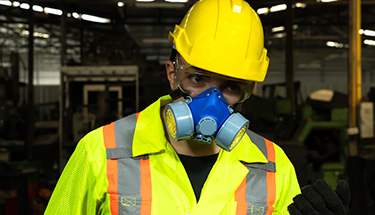
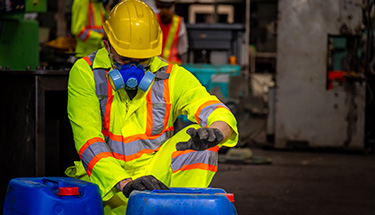
When using hazardous substances, wear the correct PPE. This may include gloves, eye protection, respirators, coveralls, or protective footwear.
Workers should know how to wear, maintain, clean, and store PPE correctly. Damaged or unsuitable PPE may not provide protection.
Hazardous substances should be returned to a secure storage location after use. They should never be left unattended on site.
Ventilation systems, dust extraction, and local exhaust ventilation can help reduce exposure to harmful substances.
Chemicals or substances should never be mixed unless it is an authorised and safe process. Mixing incompatible substances can cause toxic fumes, explosions, or chemical reactions.
Workers must be trained to use hazardous substances safely. They should understand the risks, control measures, and emergency procedures.
Workers should comply with the COSHH assessment and always follow the instructions provided on the product label and safety data sheet.
Eating, drinking, or smoking while handling hazardous substances increases the risk of contamination and ingestion.
Do not expose others to fumes, dust, gas, or other dangers created by your work. Use barriers, extraction systems, and suitable controls where required.
Always wash at the end of each shift and before eating, drinking, or smoking. Good personal hygiene reduces the risk of contamination.
Hazardous substances are common on construction sites and can seriously affect health if risks are not properly controlled. Exposure may occur through inhalation, ingestion, or skin absorption.
COSHH risk assessments help identify hazards and determine suitable control measures. Employers must provide safe systems of work, suitable PPE, training, and secure storage arrangements.
Workers must follow instructions, use protective equipment correctly, maintain good hygiene, and handle substances responsibly. By following COSHH procedures, construction sites can reduce exposure risks and protect worker health.
Why COSHH Safety Matters
What Is a Hazardous Substance?
COSHH Risk Assessments
Why Risk Assessments Are Important
Questions a COSHH Assessment Should Consider
Understanding Hazard Labels
How Hazardous Substances Enter the Body
Ingestion
Inhalation
Absorption
Examples of Hazardous Substances on Construction Sites
Common Health Risks
Respiratory Illness
Skin Conditions
Eye Injuries
Long-Term Health Problems
Control Measures
Follow the Safe System of Work
Use Correct PPE
Understand PPE Properly
Store Substances Safely
Ventilation and Extraction
Do Not Mix Chemicals
Safe Use of Hazardous Substances
Training and Competence
Follow COSHH Assessments and Product Labels
Do Not Eat, Drink, or Smoke
Protect Other Workers
Maintain Good Hygiene
Employer Responsibilities
Worker Responsibilities
COSHH Questions for Toolbox Talks
Conclusion
Want us to call you back?
No problem, let us know your details and we will get back to you ASAP.
What would be the best time to call?
Please note these times are not guaranteed.