Enter
Keywords
Enter
Keywords

Enter
Keywords
Updated: 06th May 2026
This guide explains respiratory hazards in construction, the importance of respiratory protective equipment, correct RPE selection, and worker responsibilities for safe use.
Inhalation of harmful dusts and fumes can cause serious respiratory problems and long-term illness. Many workers underestimate the dangers associated with breathing in airborne contaminants during construction work.
Breathing harmful substances may lead to asthma, lung disease, cancer, breathing difficulties, and permanent respiratory damage.
Effective respiratory protection is essential whenever dusts, fumes, fibres, vapours, or airborne contaminants cannot be fully controlled by other methods.
These figures demonstrate the importance of controlling respiratory risks in the workplace.
Construction work often creates harmful airborne substances that may affect workers and anyone nearby.
Common respiratory hazards include:
Occupational asthma is asthma caused directly by workplace exposure to harmful substances. Symptoms may include wheezing, coughing, chest tightness, and breathing difficulties.
Long-term exposure to harmful dusts and fumes may lead to chronic lung conditions, reduced lung function, or respiratory failure.
Some airborne substances, including asbestos fibres and silica dust, are known to increase the risk of cancer.
Airborne contaminants may also irritate the eyes, nose, throat, and skin.
Respiratory protective equipment should only be used when dust and fumes cannot be adequately controlled by engineering or mechanical methods.
Examples of engineering controls include:
Workers should also think about the safety of other people nearby. Dust and fumes can spread through the work area and expose others who are not directly involved in the task.
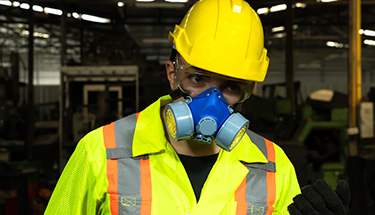
Respiratory protective equipment is equipment designed to reduce the amount of harmful dust, fumes, fibres, vapours, or gases breathed in by workers.
RPE must be suitable for the type and quantity of hazardous substance present.
Disposable face masks are commonly used for short-duration tasks involving dust exposure.
Half-mask respirators use replaceable filters or cartridges designed for different types of contaminants.
Powered respirators and ventilated helmets provide higher levels of protection and may improve comfort during long-duration tasks.
Some high-risk tasks may require specialist breathing apparatus or advanced respiratory protection systems.
Selecting suitable respiratory protective equipment is extremely important. The chosen equipment must provide enough protection for the specific hazard.
Personal face fit is a critical part of effective respiratory protection. Poor fitting masks may allow harmful contaminants to leak into the breathing zone.
The following factors may affect how well RPE fits:
Workers who wear glasses or have facial hair may require alternative RPE solutions.
Workers must wear respiratory protective equipment whenever it is required by the risk assessment or safe system of work.
RPE should be checked before use to ensure it is clean, undamaged, and functioning correctly.
Reusable respiratory protection should be cleaned, maintained, and stored correctly after use to ensure it remains effective.
Filters, cartridges, and disposable masks should be replaced in accordance with manufacturer instructions or when breathing becomes difficult.
Some medical conditions may affect a worker’s ability to safely use respiratory protective equipment.
Workers should inform their employer if they have conditions such as:
Breathing harmful dusts and fumes can lead to serious respiratory illness and long-term suffering. Construction work often creates airborne hazards that must be controlled properly.
Engineering controls such as extraction systems and dampening down should always be used first wherever possible. When these measures cannot fully eliminate exposure, suitable respiratory protective equipment must be provided and used correctly.
Employers must assess risks, select suitable RPE, provide face fit testing, training, and maintenance. Workers must wear respiratory protection correctly, report defects, and follow safe working procedures to protect both themselves and others from respiratory harm.
Why Respiratory Protection Matters
Important Facts About Respiratory Ill Health
Common Respiratory Hazards on Construction Sites
Health Effects of Dust and Fume Exposure
Occupational Asthma
Lung Disease
Cancer Risks
Skin and Eye Irritation
Controlling Respiratory Risks
Use Engineering Controls First
Reduce Exposure for Others
What Is Respiratory Protective Equipment (RPE)?
Types of Respiratory Protective Equipment
Disposable Filtering Half Masks
Half-Mask Respirators with Cartridges
Ventilated Visors and Helmet Respirators
Specialist Respiratory Equipment
Selecting Suitable RPE
Correct Selection Is Essential
Face Fit Is Critical
Factors Affecting Face Fit
Correct Use of RPE
Wear RPE Whenever Required
Check Equipment Before Use
Maintain and Store Properly
Replace Filters and Disposable Masks
Employer Responsibilities
Employee Responsibilities
Medical Conditions and RPE
RPE Questions for Toolbox Talks
Conclusion
Want us to call you back?
No problem, let us know your details and we will get back to you ASAP.
What would be the best time to call?
Please note these times are not guaranteed.