Enter
Keywords
Enter
Keywords

Enter
Keywords
Updated: 06th May 2026
This guide explains why first aid is important on construction sites, what workers should know before an emergency happens, what to do when a casualty is found, and what employers are expected to provide.
First aid is an important factor on construction sites because accidents can happen quickly and injuries may be serious. Knowing basic first aid can help protect life, prevent a condition from worsening, and support recovery until trained help arrives.
Construction sites often involve work at height, vehicles, machinery, electricity, sharp tools, hazardous substances, and manual handling. These risks make clear first-aid arrangements essential.
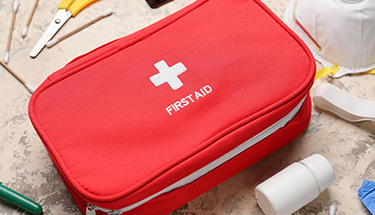
Ensure you know where the first-aid kit is kept. First-aid supplies should be easy to access and workers should not have to search for them during an emergency.
Know who the first aider, emergency first aiders, and appointed persons are. These people should be identified during site induction and may also be clearly marked, for example by a sticker on their safety helmet.
Have a small travelling first-aid kit if you are working in a small group away from the main site, or if you use potentially dangerous tools or machinery.
Familiarise yourself with the procedure for calling the emergency services. Workers should know the site address, access points, emergency contact process, and who must be informed.
Call or send someone for medical help immediately. Make sure the first aider or appointed person is informed as soon as possible.
Ensure your own safety as you approach the casualty. Do not rush into danger. Check for hazards such as electricity, moving plant, falling materials, fire, chemicals, unstable structures, or traffic.
Remove the hazard from the casualty if it is safe to do so. If the hazard cannot be removed safely, keep away and wait for trained help.
Do not move the casualty unless they are in immediate danger. Moving someone with a serious injury can make their condition worse, especially if there may be a head, neck, back, or broken bone injury.
Remain with the casualty and give reassurance. Stay calm, speak clearly, and keep them as comfortable as possible while waiting for help.
Do not give drinks or food to the casualty. Only moisten their lips if needed, and do not allow them to smoke.
The priorities of first aid are to preserve life, prevent the condition from worsening, and promote recovery. Workers should not attempt treatment beyond their training.
Employers are responsible for making suitable first-aid arrangements based on the risks and number of people on site.
Employers should complete a first-aid needs assessment. This assessment should consider the type of work, hazards, number of workers, site layout, working patterns, and distance from emergency medical services.
Employers must ensure there is either an appointed person to take charge of first-aid arrangements, or appropriate numbers of suitably trained first aiders.
Employers should ensure there are adequate first-aid facilities and a suitably stocked first-aid box. First-aid equipment should match the nature of the work and the number of workers.
Employers should provide workers with information about first-aid arrangements, including who the first aiders are, where first-aid equipment is kept, and what to do in an emergency.
Workers also have an important role in first-aid arrangements. Everyone on site should understand what to do if an accident happens.
First aid is a vital part of construction site safety. Knowing where first-aid equipment is kept, who the first aiders are, and how to call emergency services can make a significant difference in an emergency.
If you discover a casualty, call for help, check that it is safe to approach, remove hazards only if safe, avoid moving the casualty unless they are in immediate danger, and stay with them until help arrives.
Employers must assess first-aid needs, provide suitable equipment and trained personnel, maintain first-aid supplies, and ensure workers understand the arrangements. Clear first-aid planning helps protect lives and supports safer construction sites.
Why First Aid Matters
Before First Aid Is Required
Know Where the First-Aid Kit Is Kept
Know Who the First Aiders Are
Use a Travelling First-Aid Kit When Needed
Know How to Call Emergency Services
If You Discover a Casualty
Call for Medical Help
Protect Your Own Safety
Remove the Hazard if Safe
Do Not Move the Casualty Unless Necessary
Stay with the Casualty
Do Not Give Food, Drink, or Cigarettes
Basic First-Aid Priorities
What Employers Are Expected to Provide
First-Aid Needs Assessment
Appointed Persons and First Aiders
Adequate Facilities and First-Aid Boxes
Information for Workers
Employer Responsibilities
Worker Responsibilities
First-Aid Questions for Toolbox Talks
Conclusion
Want us to call you back?
No problem, let us know your details and we will get back to you ASAP.
What would be the best time to call?
Please note these times are not guaranteed.